Sep
SG Subscription Exclusive
A Practical Guide for New DSLs
Education Adviser, Nasra Hussain, discusses the key guiding principles for navigating your role as a DSL…
So, you’ve taken on the role of DSL. Congratulations! It’s one of the most important leadership positions in any setting, carrying both privilege and responsibility in equal measure. If you’re feeling overwhelmed, that’s entirely normal. Take a breath. The role is significant, but you don’t need to master every aspect of safeguarding overnight. Use these guiding principles to navigate the role with confidence and clarity.
1: Know Your Statutory Duties
Statutory safeguarding in education rests on four core pillars:
Keeping Children Safe in Education (KCSIE)
Issued by the DfE under Section 175 of the Education Act 2002, KCSIE is your primary operational manual – be sure to read it carefully.
- The DSL Role: Annex C outlines your direct duties, including managing an accurate register of vulnerable children, record keeping and referrals. KCSIE 2026 explicitly suggests using a confidential shared mailbox or an equivalent system as good practice, as well as robust cover arrangements for DSL absence to ensure continuity.
- CRITICAL 2026 UPDATE: Annex A has been removed. ALL staff must now read Part 1 in full, regardless of whether they work directly with children in the setting.
Our advisers have created a comprehensive resource for DSLs and school leaders that discusses the key changes in KCSIE 2026, which you can download as part of your Safeguarding Subscription, here.
Working Together to Safeguard Children
Issued under Section 11 of the Children Act 2004, this is the multi-agency statutory framework for all child-facing services in England – ensure you have read it.
- Multi-Agency Thresholds: Defines when to initiate Early Help versus making a statutory referral under Section 17 (Child in Need) or Section 47 (Child at Risk of Significant Harm).
- Information Sharing: Confirms that data protection laws (including GDPR) are never a barrier to sharing information to safeguard a child.
Local Safeguarding Arrangements
Statutory rules are national, but delivery is local. Your area is led by three key partners: the Local Authority, Chief Office of Police for the area and the Integrated Care Board (ICB).
- Threshold Matrix: You must use your Local Safeguarding Children Partnership (LSCP) threshold guide to justify and escalate referral decisions. Familiarise yourself with these – there may be more than one authority that you need to use if children attend from surrounding areas. Referrals are always based on the child’s home post code and not the setting’s address.
- Local Pathways: Read information on your local referral portals, Emergency Duty Team contacts and LADO (Local Authority Designated Officer) procedures for managing allegations against staff.
Responsibilities Delegated by Governors/Trustees
The governing body or Trust board retains ultimate legal accountability for safeguarding, but delegates day-to-day operations to the DSL.
| Governors / Trustees
Strategic Oversight |
DSL Delegated Role
Operational Execution |
| Hold overall legal accountability for safeguarding compliance. | Lead safeguarding and child protection procedures, case management and referrals. |
| Appoint the DSL and nominate a Safeguarding Link Governor. | Deliver anonymised, regular reporting on trends, caseloads and audits. |
| Ensure adequate time, funding and resources are allocated for safeguarding. | Manage operational workflows and highlight resourcing or safety gaps to leadership. |
2: Understand Your Context
Safeguarding risks vary significantly depending on age group, setting structure and community demographics. As a DSL team, it is important to be aware of the needs of children and young people in your care.
- Spotting the Quiet Trends: It’s not just about obvious crisis referrals. Look at subtle indicators across your data: a spike in absences on a certain day, an increase in subtle peer-on-peer microaggressions, or a surge in young people seeking mental health support. Are you noticing patterns of concern linked to specific times of day, locations, demographics, or digital platforms? How effectively do you triangulate your safeguarding logs with housing, pastoral, academic, SEND, attendance, medical or behaviour data to spot hidden vulnerability?
- Listening to Young People: The best safeguarding intelligence comes from young people themselves. If they don’t feel safe reporting something, your internal data will give you a false sense of security. What steps are you taking to capture the lived experience of young people in our care?
- Connecting with Your LSCP: Your Local Safeguarding Children Partnership sets the local strategy. Are you receiving their newsletters, or attending any DSL network meetings? Do you know their current focus areas and how to access the support they offer?
- Contextual Knowledge: Your setting sits right in the middle of a wider community. Local issues – whether that’s a rise in county lines activity, housing instability, or specific local safety incidents – will inevitably impact children in your care. When was the last time you updated your contextual risk assessment to reflect local issues?
3: Build Relationships
No single DSL, regardless of setting or experience, can protect children in isolation. Your impact as a DSL relies directly on the strength, clarity and trust built across your multi-agency and internal networks.
External partners:
Your primary contact for acute statutory safeguarding under Section 17 (Child in Need) and Section 47 (Child Protection). Focus on submitting threshold-aligned referrals and maintaining an open dialogue with leads and allocated social workers.
Vital for early intervention before family risks escalate. Partner with local co-ordinators and family support workers to establish sustainable, community-level support plans.
Essential for managing allegations made against staff, contractors, or volunteers. Build a proactive, transparent connection with your LADO team long before a critical incident occurs.
Key allies for serious incidents, criminal exploitation, county lines, serious violence, or online harm. Engage with local Neighbourhood Policing and Youth Offending Teams (YOT) for contextual risk management.
Primary care clinicians, health visitors and school nurses bridge the gap between physical/emotional health and safeguarding, offering crucial insights into neglect, developmental red flags and domestic concerns.
Partner with Virtual Schools to champion children in care, and liaise with local housing teams when overcrowding, temporary placement, or homelessness threatens family stability.
Local youth projects, food banks, domestic abuse refuges and young carers’ charities often step in swiftly where statutory thresholds are not met. Find out what is available in your area and keep a live directory for all DSLs to access.
Internal partners may include:
Children with Special Educational Needs and Disabilities (SEND) face statistically higher safeguarding risks and communication barriers. Work side-by-side with your SENCO to adapt reporting tools and safety plans.
Attendance data is often your earliest warning system for domestic abuse, neglect, young caring duties, or criminal exploitation. Investigate unexplained absence patterns alongside attendance leads.
Align therapeutic intervention with active safety planning.
They manage web filtering and monitoring alerts, so can help flag issues such as online grooming, self-harm searches, or image-sharing concerns. Know the systems in place in your setting.
acilities leads, caretakers, kitchen staff and midday supervisors often observe unstructured times and physical spaces. Ensure they are all trained and included in any updates or briefings too.
Your strategic sounding board who ensures the governing board allocates adequate time, funding and resources for your DSL duties. Ensure they visit your setting periodically and quality assure the practice too.
4: Audit the Systems
As a DSL, you are not only responsible for responding to active concerns; you must continuously test, audit and quality-assure the systems that hold your safeguarding infrastructure together.
- Objective, Timely Records: Ensure that records use clear, objective language, capture the child’s voice and document the specific actions taken, or not taken, with a clear rationale. Sample these periodically to ensure practice is consistent.
- Building Dynamic Chronologies: Every record must automatically feed a clear chronology so you can spot cumulative harm and repeated low-level concerns over time.
- Access Control & Categories: Audit user permissions regularly. Ensure sensitive cases (e.g., staff allegations) are restricted to relevant leads.
- Action Tracking & Audits: Never leave a logged concern unassigned or open without an action. Test whether staff are logging concerns immediately or waiting until the end of the day. Ensure student records transfer securely when a pupil transitions to a new setting.
- Tracking End-to-End Referral Pathways: Audit your referral logs routinely. Every statutory referral to Children’s Social Care, Early Help, or the Police must show the date sent, acknowledgment received, assigned worker and outcome. Include any letters, plans or meeting minutes as part of this chronology.
- Escalation & LADO Logs: Document formal threshold escalations and retain a secure log of LADO consultations.
- 100% Training Records: Audit your staff induction and annual safeguarding training trackers.
- SCR Oversight: While HR or the School Business Manager often maintains the SCR, the DSL/Link Governor/Trustee must conduct regular audits to verify compliance.
5: Invest in Yourself
When stepping into the DSL role, it is easy to assume that compliance and software systems are the hardest parts of the job. In reality, many new leads are caught off guard by the human side of safeguarding—the heavy emotional weight, the nuanced judgments and the quiet exhaustion that comes with holding responsibility for vulnerable children. Managing this aspect of the role is essential if you are to remain grounded and effective.
Secure regular supervision from day one. Dedicated time with a trained supervisor or experienced peer gives you space to unpack difficult cases, manage vicarious trauma and sharpen your professional curiosity.
Maintain a mindset that looks beyond surface assurances, challenges evasive explanations and asks uncomfortable questions when something feels wrong.
Protect your well-being by joining local DSL clusters or trust-wide networks to share best practices and reduce isolation.
Record your professional rationale – why a concern did not meet a statutory threshold, why Family Help was selected, or why a case was escalated. Clear records ensure your reasoning remains transparent and defensible long after decisions are made.
Remember, the best DSLs don’t know everything – they know when to ask questions, seek advice and act decisively.
Should you require support with staff training, curriculum planning or a safeguarding audit, please contact safeguarding@servicesforeducation.co.uk
If you found this blog useful, you may also be interested in reading the following blogs:


Jul

Jan
 Safeguarding and Child Protection for DSLs
 Safeguarding and Child Protection for DSLs
Delivered by our experienced safeguarding team, our Safeguarding and Child Protection for Designated Safeguarding Leads course will equip staff with the necessary knowledge, understanding and practical strategies to undertake the responsibilities of the Designated Safeguarding Lead (DSL), or Deputy Designated Safeguarding Lead (DDSL), role.
Attendees will also benefit from:
- A downloadable 90-page DSL handbook, worth £99
- Access to some free safeguarding resources to support your setting with implementation, post-training
NEED TAILORED SAFEGUARDING SUPPORT AT YOUR SCHOOL?
Our expert advisers can provide in-school visits to deliver sessions on any specific safeguarding issues that are relevant to your setting. We also offer consultancy and a detailed safeguarding audit. We will work with you to understand your exact requirements.
Get in touch with us today if you’d like to discuss bespoke Safeguarding training for your school.
find out more About the Author
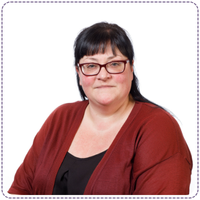
Nasra Hussain, Education Adviser for Safeguarding, Services For Education
With over 18 years of experience in education, including 15 years as a senior leader, Nasra is a highly respected and dedicated practitioner who has contributed to a wide range of school settings. Her leadership roles have included Designated Safeguarding Lead, Assistant Headteacher, Deputy Headteacher and Specialist Leader in Education (SLE), supporting school improvement, leadership development and high‑quality teaching and learning.
Nasra has extensive experience assessing National Professional Qualifications (NPQs) and has coached and supported leaders and teams at all levels. She currently works as a Consultant Advisory Teacher and serves as a charity trustee, championing inclusive practice and strengthening community engagement. Nasra has also served as a governor and is currently a member of an Interim Executive Board in Birmingham.
A committed advocate for safeguarding and for building strong relationships with families and communities, Nasra brings compassion, clarity and a values‑driven approach to her work. Her expertise also includes serving as a Key Stage 2 moderator and contributing as a regular panel member for the Standards and Testing Agency, reviewing national SATs materials to ensure fairness, accuracy and national consistency.
Nasra’s work is grounded in a deep belief in equity, empowerment and the transformative impact of education. She combines breadth of experience with a collaborative, purposeful approach, making a meaningful difference to the schools and communities she serves.