Jun
Advice For Schools, Safeguarding
Vulnerable Children: How Schools Can Identify and Support Pupils at Risk
Lucie Welch, Safeguarding Adviser at Services For Education, shares guidance on what makes a child vulnerable, the factors that can increase vulnerability, and how schools can identify pupils at risk and provide effective support.
Schools work with vulnerable children every day, but vulnerability is not always visible. Some pupils may display obvious signs that they need additional support, while others can quietly go unnoticed despite facing significant challenges outside of school.
Identifying risks early can help schools strengthen support and improve outcomes for pupils.
What Is a Vulnerable Child?
‘Vulnerable children’ is a term often used within education settings, but understanding what this means in practice is essential for identifying pupils who may require additional support.
The No Child Left Behind report of 2020 defines vulnerable children as “any child at greater risk of experiencing physical or emotional harm and/or experiencing poor outcomes because of one or more factors in their lives.”
Vulnerable children can come from a wide range of backgrounds and experiences, many of which may affect emotional wellbeing, brain development, relationships and a child’s ability to learn.
Examples of Factors that Can Make Children More Vulnerable
Children may become vulnerable due to a range of factors, including (but not limited to):
- Poverty or financial struggles
- Disabilities, medical or health issues
- Family mental health difficulties
- Drug or alcohol misuse within the family
- Living within the care system
- Previous abuse or trauma
- Adverse Childhood Experiences (ACEs)
- Attachment or relationship difficulties
A vast number of children living in these vulnerable categories will require additional support as part of their school journey. This may be supported with learning, attendance, building relationships or behaviour. But to provide the best support for these children, schools need to first identify who falls into these vulnerable categories and why.
Why Is Identifying Vulnerable Children Important in Schools?
Research into vulnerable children and Adverse Childhood Experiences (ACEs) shows that children need environments that nurture and protect them from risk to help them achieve the best possible outcomes.
What Are Adverse Childhood Experiences (ACEs)?
Adverse Childhood Experiences (ACEs) are stressful or traumatic experiences during childhood that may affect emotional wellbeing, development and long-term outcomes. Examples may include abuse, neglect, domestic abuse, parental substance misuse or bereavement.
Although not every child who experiences adversity will experience negative outcomes, understanding ACEs can help schools identify risk factors and provide earlier support.
Findings from Resolve Poverty reinforce that many children are experiencing overlapping challenges that can affect wellbeing, education and future outcomes, further emphasising the need for schools to recognise vulnerability early and respond appropriately.
These risks can vary significantly and, although they are not always a certainty, may increase the likelihood of children experiencing serious situations, including:
- Gang crime
- Drug or alcohol dependency
- Child Sexual Exploitation (CSE)
- Child Criminal Exploitation (CCE)
- Further abuse
Many vulnerable children will be easily identifiable within your setting. They may have noticeable behaviour concerns, be under Child in Need or Child Protection plans, or be young carers.
However, some vulnerable children may not display obvious indicators and can become the ‘invisible’ vulnerable children within a setting.
These pupils must receive the same level of support and attention as those with more visible needs, as risks can often increase when concerns go unnoticed.
For vulnerable children, school is often a protective factor, providing stability, warmth and trusted adults who care about their wellbeing.
Strong relationships between staff and pupils play an important role in understanding children’s backgrounds, lived experiences and individual needs. These relationships help schools build a fuller picture and provide more effective support.
How Can Schools Support Vulnerable Children?
Using a Vulnerable Children Register
Firstly, your setting should have a Vulnerable Children Register (VCR), which includes the names and key details of children most at risk.
What Might a Vulnerable Children Register Include?
- Family history
- Social care involvement
- Child or family views
- Barriers to progress
- Individual strategies and interventions
- Key professionals involved
- Attendance concerns
- Relevant SEN information
Many settings organise children into the following categories:
- Looked After Children (LAC)
- Child Protection (CP)
- Child in Need (CIN)
- Family support involvement
- Previous social care involvement
- Children being closely monitored
This enables schools to prioritise support and remain informed of changes or challenges faced by vulnerable children. You can find a VCR template here.
It can also be beneficial to align Vulnerable Children Registers alongside other registers, such as SEN records or attendance concern lists, to build a more complete picture of need across the setting.
This document is highly confidential and should only be seen by the DSL, SLT or pastoral lead where appropriate.
Despite this, adults who regularly interact with these children should receive relevant information on a need-to-know basis.
No two vulnerable children are the same, meaning support should be personalised around individual needs and circumstances.
Practical Strategies for Supporting Vulnerable Children in Schools
In order to have the greatest positive impact on vulnerable children, settings should take a systematic and holistic approach to support.
Schools should consider a balance of:
- Primary prevention strategies which address root causes
- Early intervention approaches when concerns begin to emerge
- Individualised support plans
- Strong pastoral support in schools
- Effective communication with families
- Opportunities to build resilience in children
As well as providing individualised support, settings should maximise opportunities to provide clear information and guidance around avoiding risk.
It is essential to equip all children, but especially vulnerable children, with the key skills needed to keep themselves safe.
Your setting’s PSHE and RSE curriculum should reflect the context of your school community and the needs of your pupils. This will create a more personalised learning experience and maximise impact.
Children should be able to:
- Recognise situations that may place them at risk
- Identify potentially unsafe situations
- Understand strategies to keep themselves safe
- Know where and how to seek support
Information and interventions should also support emotional wellbeing and building resilience in children, particularly for those experiencing additional risk factors.
As shown below, schools play an important role in developing many of the protective factors and resilience skills children need to manage challenges safely and effectively. These should be carefully planned and embedded across the wider curriculum to maximise impact for all pupils.
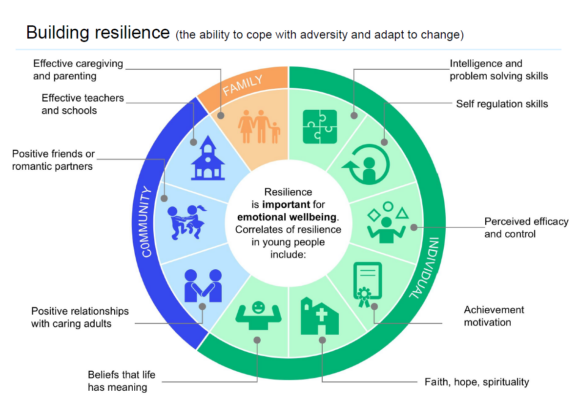
Figure 1: Public Health England. London 2016. Source PHE(31)
Supporting Vulnerable Children Through Safe and Consistent Practice
Resilience alone will not remove all risks for vulnerable children, but it can help them navigate challenges and make safer choices in the future.
As easy as it can be to create a list of those most at risk, the focus should always remain on the strategies used to support them.
Your setting may not be able to remove every external risk factor children face, but schools can provide a safe environment and equip pupils with the skills, support and relationships needed to thrive.
If your setting would like support with identifying vulnerable children, strengthening pastoral support in schools or developing a Vulnerable Children Register, please contact our safeguarding team at safeguarding@servicesforeducation.co.uk. We also have a CPD session: Vulnerable Child Register Best Practice – How to Enhance Safeguarding for the Most Vulnerable in your Setting.
If you found this safeguarding blog about vulnerable children useful, you may also be interested in reading the following:

Four Tips for Keeping Children Safe this Summer
How can we prepare children to stay safe during the summer holidays? With the summer...
May

Wellbeing and Safeguarding: The Crucial Connection
Education adviser Lucie Welch discusses the crucial connection between wellbeing and safeguarding, explaining how prioritising...
Apr

 Need Safeguarding Support at Your School?
 Need Safeguarding Support at Your School?
Our expert advisers can provide in-school visits to deliver sessions on any specific safeguarding issues that are relevant to your setting. We also offer consultancy and a detailed safeguarding audit. We will work with you to understand your exact requirements.
Get in touch with us today if you’d like to discuss bespoke Safeguarding training for your school.
find out more About the Author

Lucie Welch – Adviser, Services For Education

Lucie Welch has worked in Primary Education for over 15 years, holding a range of leadership positions including Assistant Headteacher, Designated Safeguarding Lead, Attendance Lead and Designated Teacher for Looked After Children. Having worked across several local authorities and multi-academy trusts, Lucie has developed extensive expertise in safeguarding and supporting children and young people to thrive both academically and personally.
At Services For Education, Lucie is a member of the Safeguarding Team, working with schools, colleges, trusts and other educational settings across Birmingham and beyond. She delivers statutory safeguarding and training, supports organisations through safeguarding audits and reviews and works collaboratively with leaders to strengthen safeguarding culture and practice.
Alongside her safeguarding work, Lucie leads the impactful Health for Life programme across Birmingham, supporting schools to promote healthy lifestyles, wellbeing and positive outcomes for pupils, families and wider communities. Drawing on her extensive school leadership experience, she also contributes to teacher development through her previous work with the SCITT programme and as a facilitator of the Early Career Framework (ECF), supporting trainee and Early Career Teachers to build the knowledge, skills and confidence needed for successful careers in education.